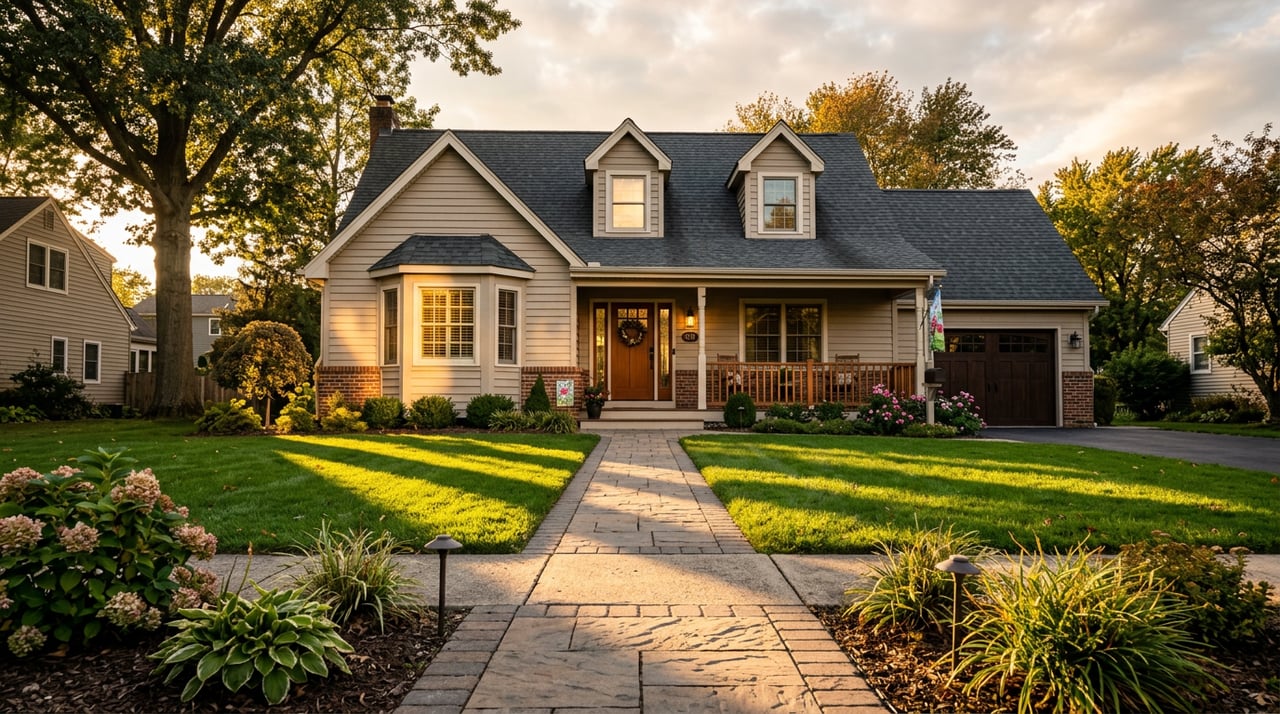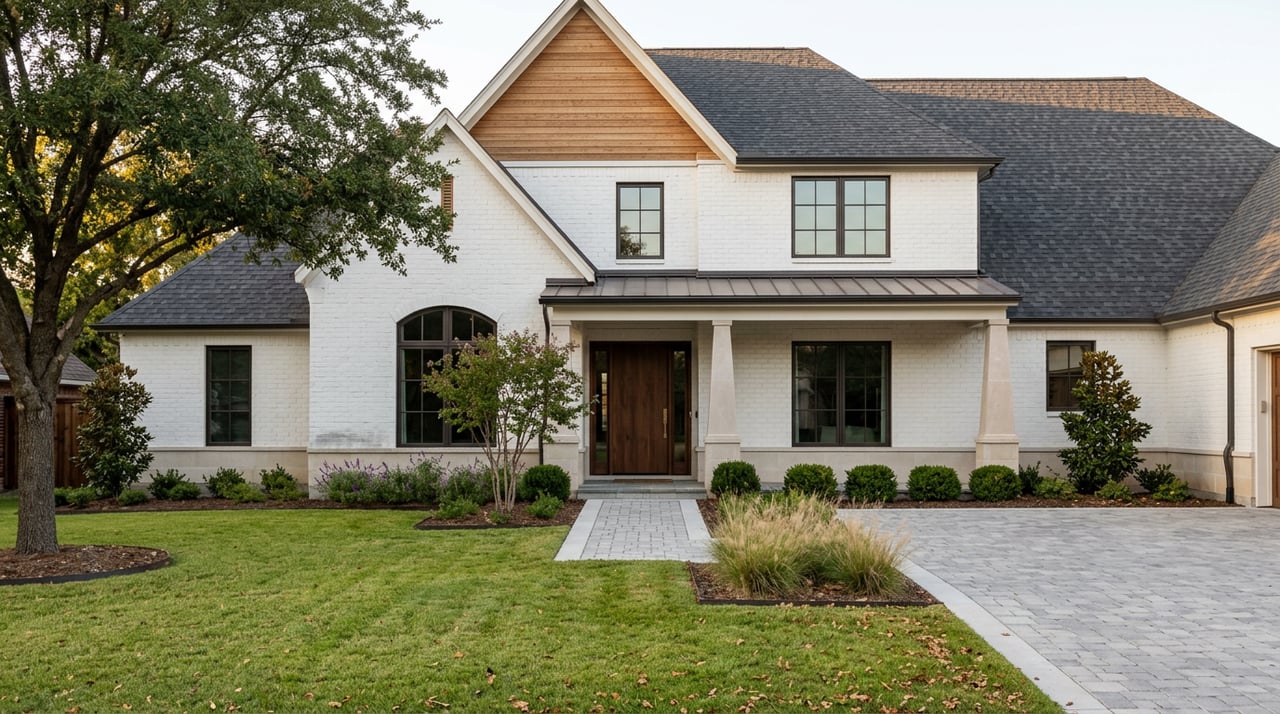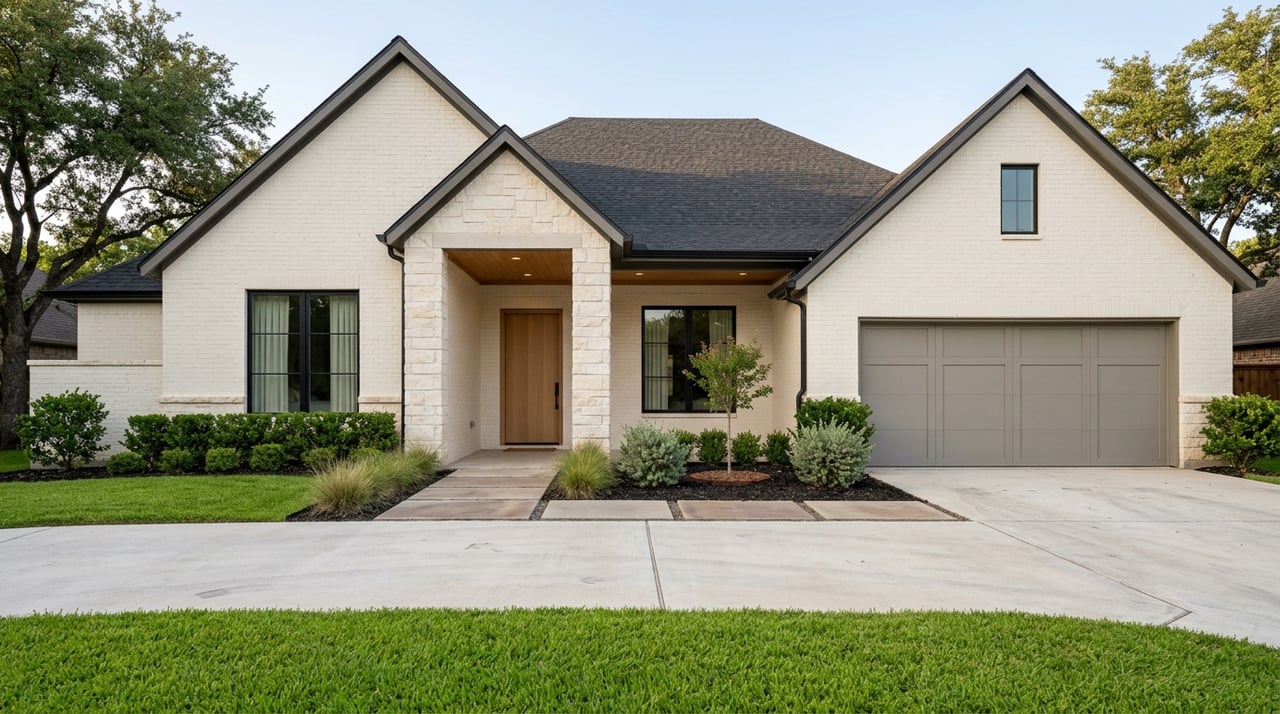
Buying a brand-new home in Flower Mound can feel exciting and a little overwhelming at the same time. You may love the idea of fresh finishes, modern systems, and a home no one has lived in before, but new construction comes with its own rules, timelines, and costs. If you want to make a smart move, it helps to understand how Flower Mound’s local development standards, builder contracts, and post-closing details can affect your purchase. Let’s dive in.
Why Flower Mound new construction is different
Flower Mound is not just another fast-growing suburb with standard subdivision inventory. The town had an estimated population of 79,540 in July 2025 and about 41.96 square miles of land area, which means land availability and development patterns still play a major role in where and how new homes are built.
That matters because when you buy new construction here, you are not only choosing a house. You are also choosing a lot, a development pattern, and the future land use around you. The town encourages residents and buyers to use its Interactive Town Map for zoning, future land use, utilities, and property-line information, which can help you look beyond the model home.
Check the community overlay first
One of the most important local details to understand is whether a community sits inside the Cross Timbers Conservation Development District. According to the town, this district is designed to preserve Cross Timbers character while allowing environmentally sensitive development.
That can create a very different new-construction experience from a typical subdivision. The 2022 update includes standards such as a maximum density of 1 dwelling per 2 acres, minimum 0.75-acre lots, a 45% open-space requirement, and 200-foot scenic corridor buffers along Cross Timbers Road.
If you are comparing multiple communities, this is a key question to ask early. Two new homes in Flower Mound may both be called “new construction,” but the land standards, lot feel, and surrounding development conditions can be very different.
Questions to ask about the lot
Before you move forward, ask questions that go beyond the home’s interior finishes:
- Is the property inside the Cross Timbers Conservation Development District or another planned-development overlay?
- What does the town’s future land use map show nearby?
- Are there scenic corridor, open-space, or lot-size rules that shape the neighborhood?
- Could nearby undeveloped land change in the future?
- Are there tree-related requirements that could affect the homesite or timeline?
Understand the permit and inspection timeline
In Flower Mound, permits are required before any new construction begins. The town’s Building Inspections division reviews plans for code and zoning compliance, issues permits, and performs building, electrical, plumbing, and mechanical inspections.
For you as a buyer, the practical takeaway is simple: the timeline is not just contract to closing. It also includes plan review, permitting, and required inspections, and those steps can affect move-in timing even when a builder gives an estimated completion date.
Flower Mound’s current residential code set includes the 2024 IRC, 2024 IECC, 2024 ISPSC, and 2023 NEC. The town also notes that residential projects can require related documents such as a Residential Builders Packet, energy-compliance testing, tree certification, and special-inspection forms.
What this means for your closing date
A builder may market a home as nearly complete, but local milestones still matter. If permits are active, inspections are pending, or lot-specific issues still need approval, your closing date may shift.
That is why it helps to ask whether the home or community still has permit milestones left. You should also ask whether tree rules, special inspections, or lot conditions could slow the final stretch before closing.
Know which Texas contract applies
New-construction contracts in Texas are not handled the same way as resale transactions. The Texas Real Estate Commission uses different forms for new homes depending on whether the home is complete.
The mandatory forms effective July 1, 2026 are the New Home Contract (Incomplete Construction) and the New Home Contract (Completed Construction). The standard resale contract is not intended for a new home being sold by a builder.
This matters because the contract structure affects how terms are presented and negotiated. It is one reason why buying from a builder is not simply the same process as buying an existing home with newer finishes.
Completed vs. incomplete construction
Here is the practical difference:
- Completed construction usually means the home is finished when you go under contract.
- Incomplete construction means parts of the home are still being built when you sign.
That difference can affect timing, walkthrough expectations, and how specific your documentation needs to be. If you are buying before completion, clarity becomes even more important.
Get every feature and upgrade in writing
One of the easiest ways to get surprised in a new-construction purchase is to assume the model home matches the base price. In many communities, it does not.
A smart approach is to separate three categories: what is included in the base price, what counts as an upgrade, and what the builder is offering as an incentive or cost contribution. Because builder contracts and community addenda are separate from resale forms, you should make sure every included feature, upgrade, incentive, and seller contribution is documented clearly in writing.
Review these line items carefully
Ask for a written breakdown of:
- Base-price features
- Structural options
- Design-center upgrades
- Lot premiums
- Builder incentives
- Closing-cost contributions
- Appliances and system inclusions
- Landscaping or exterior package details
Do not rely on a model-home tour, marketing sheet, or verbal conversation alone. If something matters to you, it should appear clearly in the paperwork.
Watch the monthly cost beyond principal and interest
A new home’s advertised price is only part of the budget. In some communities, your monthly ownership cost may include more than principal, interest, taxes, and insurance.
TREC has addenda that often matter in new-home communities, including an addendum for mandatory property owners association membership and a separate addendum for properties located in a public improvement district. That makes it important to verify HOA dues and any district assessments before you decide what the home will really cost month to month.
Cost items to confirm early
Before you commit, confirm:
- HOA dues
- Public improvement district assessments, if applicable
- Property tax estimate based on local appraisal rules
- Whether community fees are mandatory
- Which recurring charges are included in lender payment estimates
This step can help you compare homes more accurately and avoid a payment surprise after closing.
Plan your inspection strategy
A brand-new home still needs careful review. Flower Mound performs municipal inspections during construction, but you should still think through your own inspection plan before drywall, before closing, and during the warranty period.
That matters even more because builder warranties and home warranties are not the same thing. Texas notes that home-warranty companies are licensed by TDLR, those contracts are optional, and they cover appliance and system failures from normal wear and tear. That is separate from a builder’s warranty for construction-related issues.
Important inspection checkpoints
As you move through the process, consider these key stages:
- Before drywall: a chance to review visible framing, rough mechanicals, and other elements before walls are closed
- Before closing: a chance to identify finish items, function issues, or incomplete work
- During the warranty period: a chance to document issues that appear after move-in
Texas Property Code Chapter 27 also gives contractors a notice-and-inspection opportunity in construction-defect disputes. Before filing suit, a homeowner generally must give written notice at least 60 days in advance, and the contractor gets a chance to inspect and propose repairs.
Because of that framework, it is wise to keep organized records from the start. Save inspection reports, photos, warranty paperwork, and written repair requests from pre-drywall through your first year in the home.
Be ready for property taxes and homestead timing
Texas does not have a state property tax. Instead, local taxing units assess and collect property taxes based on appraised value.
For many buyers, the next important step after closing is understanding the homestead exemption process. Most exemption applications are filed with the county appraisal district, and the general deadline is before May 1.
The statewide residence-homestead rules include a $140,000 school-district exemption and a $3,000 county exemption for counties that collect farm-to-market or flood-control taxes. If you buy the home after January 1, the exemption may still apply for the applicable portion of the year once you qualify, as long as the prior owner did not already use the same exemption.
Tax questions to ask after closing
To stay organized, make sure you know:
- Which county appraisal district handles your homestead filing
- When your application deadline falls
- How the home’s appraised value may affect future taxes
- Whether prior ownership affects the year’s exemption use
This is one of those details that feels easy to delay, but it can have a real impact on your long-term housing cost.
A practical new-construction checklist
If you want a simple way to stay on track, focus on these steps:
- Confirm whether the home is completed or still under construction.
- Review the lot and surrounding land-use context, not just the floor plan.
- Ask whether the community is inside the Cross Timbers Conservation Development District or another overlay.
- Verify permit status, required inspections, and possible timing issues.
- Get every feature, upgrade, incentive, and contribution in writing.
- Confirm HOA dues, public improvement district assessments, and other recurring costs.
- Plan your inspection checkpoints before drywall, before closing, and during the warranty period.
- Keep records of reports, photos, warranties, and repair requests.
- Prepare for homestead exemption filing after closing.
Buying new construction in Flower Mound can be a great move when you understand the process from the lot line to the final walkthrough. If you want experienced, responsive guidance as you compare builders, communities, and contracts, The Escalante Group is here to help you move forward with confidence.
FAQs
What should you ask before buying new construction in Flower Mound?
- Ask whether the home is completed or incomplete, what is included in the base price, what counts as an upgrade, whether HOA or district charges apply, and what nearby zoning or future land use may affect the property.
How do Flower Mound development rules affect a new home purchase?
- Local overlays and land-development standards can affect lot size, open space, scenic buffers, tree requirements, and the overall character of a community, so the same “new construction” label can mean very different settings.
What contract is used for a new-construction home in Texas?
- Texas uses specific TREC new-home contracts for completed and incomplete construction, and the standard resale contract is not intended for a builder’s new home sale.
What inspections matter when buying a new-construction home in Flower Mound?
- Buyers should think about inspection timing before drywall, before closing, and during the warranty period, while also tracking local permit and municipal inspection milestones.
How are builder warranties different from home warranties in Texas?
- A builder warranty relates to construction issues, while an optional home warranty covers certain appliance and system failures from normal wear and tear and is separate from the builder’s coverage.
How do property taxes and homestead exemptions work after buying in Flower Mound?
- Property taxes are assessed by local taxing units based on appraised value, and most homestead exemption applications are filed with the county appraisal district before May 1 if you qualify.