Thinking about Arlington, TX? It is one of those cities that can surprise you. You get access to major DFW job centers, entertainment, parks, and established neighborhoods, all in a city that feels more layered than a typical suburb. If you are trying to decide whether Arlington fits your lifestyle, this guide will walk you through what daily life, housing, commuting, and recreation really look like. Let’s dive in.
Arlington has a central DFW location
One of Arlington’s biggest advantages is where it sits in the Metroplex. It is right between Dallas and Fort Worth, which gives you access to both sides of the region while still living in a city with its own identity.
Arlington is not a small pass-through town. The U.S. Census Bureau estimates the city’s 2025 population at 402,134, which makes it a large and established part of North Texas. That scale shows up in everyday life through shopping, healthcare, jobs, parks, and housing choices that are already built into the city.
Arlington also feels diverse in a very practical, everyday way. Census data shows 36.3% of residents speak a language other than English at home, which helps explain the city’s culturally mixed feel across many parts of town.
Daily life feels suburban with urban pockets
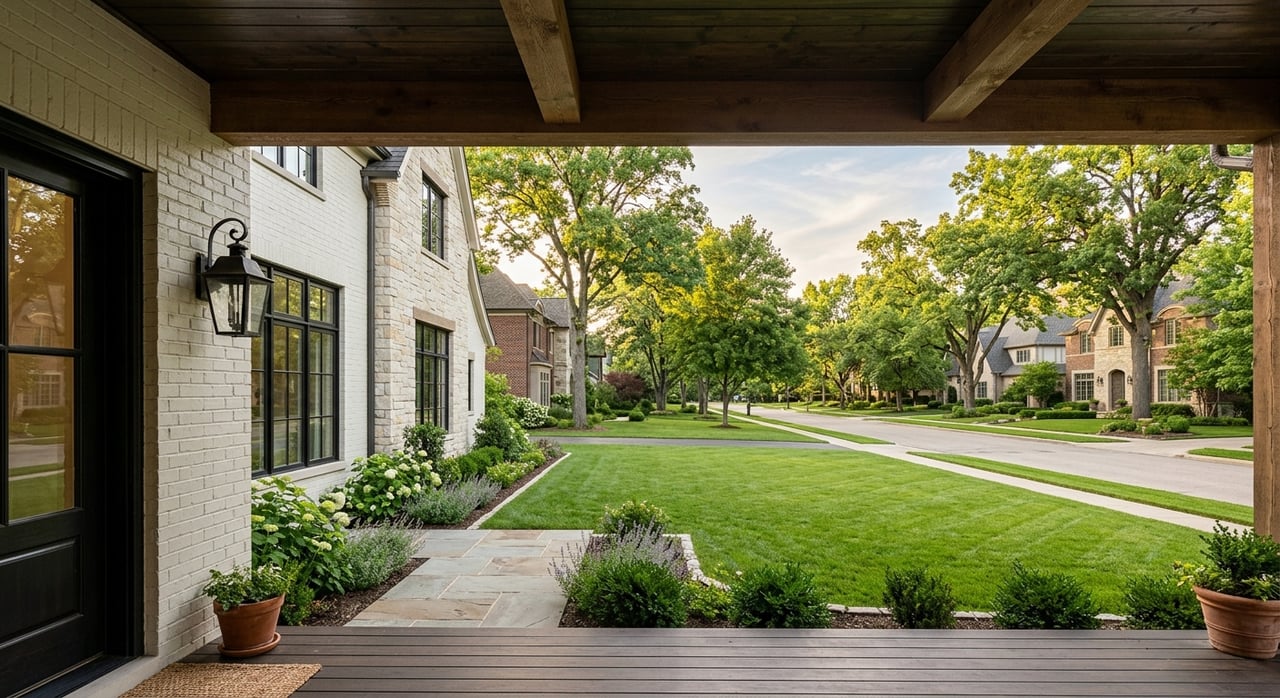
The easiest way to describe Arlington is this: it is a mature suburban city with some walkable and higher-energy pockets. It is not purely suburban, but it is not fully urban either.
That mix is part of what attracts so many different buyers and renters. You can find areas that feel quieter and more established, along with parts of the city that feel more active, mixed-use, and connected to events, campus life, or public spaces.
The city is also more than 94.5% built out, according to Arlington’s 2025 housing needs assessment. That means much of Arlington has an established feel, with existing neighborhoods, mature infrastructure, and less of the blank-slate master-planned growth you might see in newer suburbs.
Getting around Arlington
Expect a car-centered lifestyle
If you live in Arlington, you will likely drive for most of your daily routine. The city is shaped by major highways, and that has a big impact on how people commute, run errands, and move between different parts of town.
Arlington sits near five major interstate highways, and the city has highlighted ongoing work on I-20, I-30, SH 360, US 287, and the Southeast Connector to improve mobility and reduce congestion. For many residents, that road access is a major plus, especially if you need to move around Tarrant County or commute elsewhere in DFW.
The average travel time to work is 26.6 minutes, based on Census data. That gives you a useful snapshot of what everyday commuting can look like, even though your own drive will depend heavily on where you live and work.
Public transit exists, but plays a smaller role
Arlington does have transit options, but they work more as a supplement than a full citywide system. The Trinity Railway Express connects downtown Dallas, downtown Fort Worth, and DFW Airport, with the nearest station about 10 minutes from the Entertainment District.
In 2025, the city launched Arlington Express, an on-demand pilot connecting City Hall and UT Arlington to the CentrePort TRE Station during peak commuting hours. Local options like Arlington On-Demand and Handitran help fill some gaps, but overall, Arlington still functions primarily as a car-based city.
Jobs and services are close to home
A big reason Arlington feels self-contained is its job base. You are not just living between Dallas and Fort Worth. You are also living in a city with major employers in education, healthcare, manufacturing, retail, local government, and entertainment.
According to the city’s FY2022 annual report, top employers include Arlington ISD, UT Arlington, General Motors, Texas Health Resources, Six Flags Over Texas, The Parks at Arlington, GM Financial, the City of Arlington, J.P. Morgan-Chase, and the Texas Rangers Baseball Club. That range gives Arlington a balanced local economy with several employment anchors instead of depending on just one industry.
UT Arlington is especially visible in the city’s core, with its 420-acre campus at the southern edge of downtown. Texas Health Arlington Memorial is another major local presence, and GM’s Arlington Assembly plant remains a significant employer.
Parks are a major lifestyle perk
One of Arlington’s strongest quality-of-life features is its park system. If you enjoy walking trails, sports fields, recreation centers, or outdoor space close to home, this is one of the city’s biggest selling points.
Arlington maintains more than 5,600 acres of parkland, 123 miles of trails, nine recreation centers and rental centers, seven pools, four public splash pads, and more than 160 outdoor sports and practice fields. That is a substantial public amenity base for a city this size.
This matters because it shapes daily life beyond the headline attractions. Even if you never go near a stadium, you can still enjoy a city with plenty of ways to stay active, spend time outside, and use public spaces throughout the week.
Different parks create different experiences
Arlington’s parks are not all the same, and that adds to the city’s variety. In north Arlington, River Legacy Park offers a large natural setting with paved hike-and-bike trails and off-road mountain bike trails.
Downtown, Founders Plaza and the Levitt Pavilion create a more compact civic space with free concerts and a stronger walkable feel. In southeast Arlington, Webb Community Park includes athletic fields, the Beacon Recreation Center, and a multipurpose trail for walking, running, biking, and skating.
Arlington neighborhoods feel different by area
One of the most important things to know about living in Arlington is that the city does not feel the same everywhere. Your day-to-day experience can change a lot depending on which part of Arlington you choose.
That is good news if you want options. It also means you should think carefully about your commute, preferred home style, and what kind of surroundings fit your routine best.
Downtown and UTA area
Downtown Arlington and the UTA area feel more mixed-use and walkable than many other parts of the city. Apartments, shops, offices, and public spaces are becoming more prominent, and the city has adopted form-based zoning to support walkable streets and active ground-floor spaces.
If you want a more connected, central feel, this part of Arlington may stand out. It tends to offer a different rhythm than the more residential parts of town.
Entertainment District
The Entertainment District has one of the highest profiles in Arlington, but it is important to understand its character. This area is more visitor-heavy than residential, and the city has specific rules around short-term rentals nearby.
That can be a plus if you like being close to major attractions and event activity. Still, it offers a very different experience from established neighborhood areas focused more on everyday residential living.
North Arlington
North Arlington often stands out for its parks, established neighborhoods, and access to River Legacy Park. It also includes newer master-planned growth such as Viridian, which accounted for 43.37% of the city’s single-family new-construction permits in 2023.
For buyers who want green space and a mix of established and newer housing options, north Arlington can offer a lot of variety.
South Arlington
South Arlington is especially important if you are looking for more detached-home growth potential. Arlington’s housing needs assessment says much of the city’s remaining developable land is in south Arlington, where parcels are better suited to single-family detached housing.
That makes this area worth watching if you want a home in a part of the city with room for additional subdivision-style development.
Southwest and central Arlington
Southwest Arlington includes areas the city describes with a more village-like atmosphere and rural character, such as Village on the Green at Tierra Verde. Established central neighborhoods can feel quieter and more residential, with lower through-traffic and a mix of nearby housing types.
These parts of Arlington can appeal if you want an established setting and a more neighborhood-focused feel.
Housing options are broader than many expect
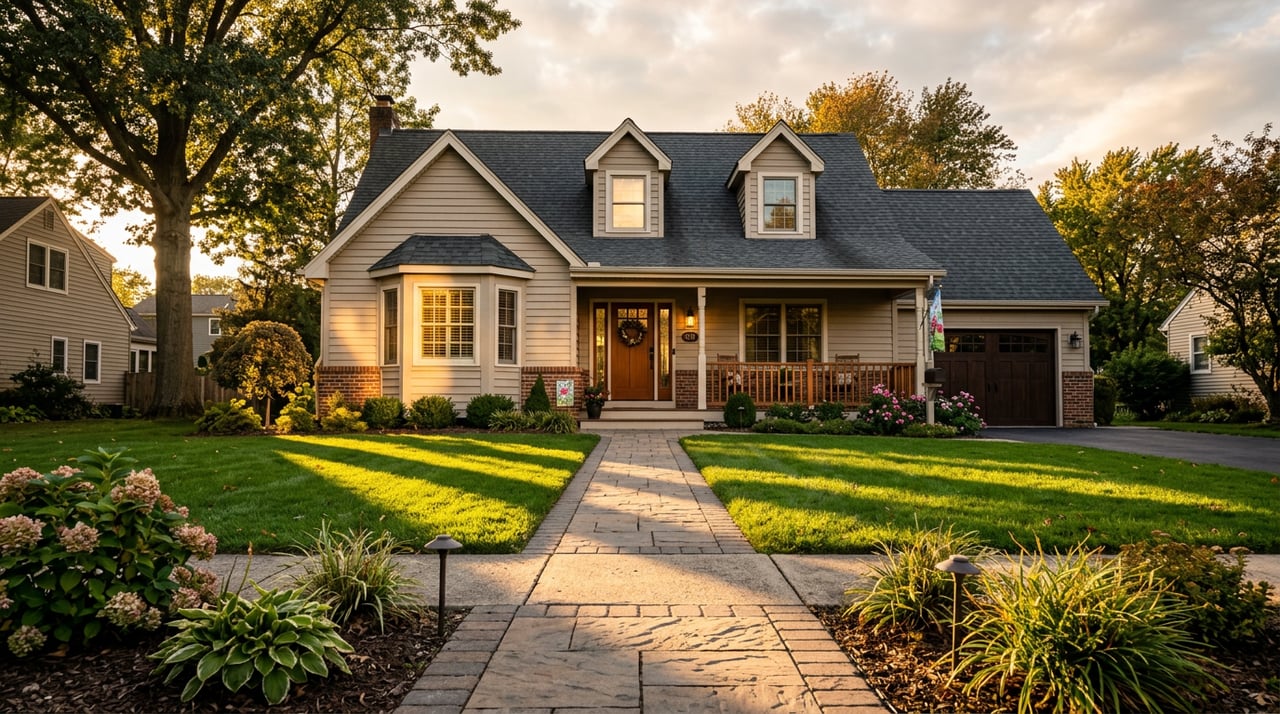
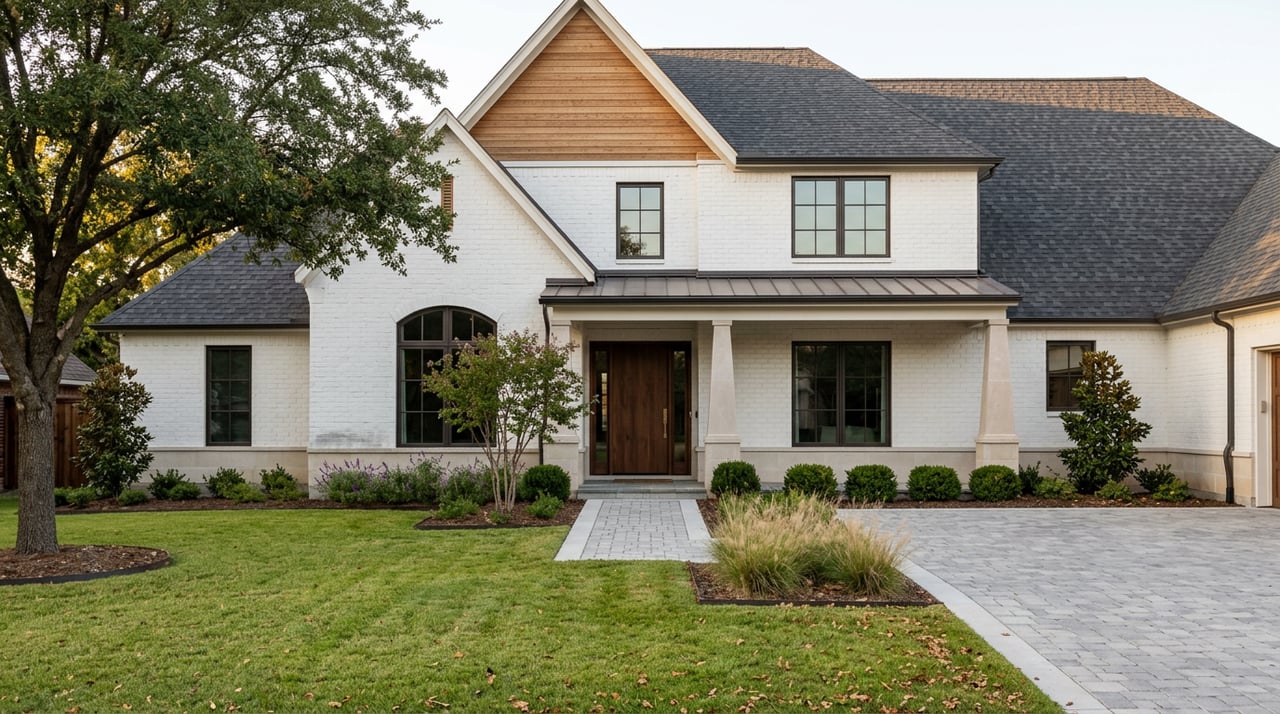
Arlington’s housing stock is more varied than some buyers assume. Because the city is mature and largely built out, you will find a wide mix of home styles, ages, lot sizes, and development patterns.
The city reported 156,015 housing units at the end of 2023. Zoning also supports a broader mix of housing types, including estate lots, lower-density single-family areas, medium-density residential districts, and downtown mixed-use development.
That means your options may include detached homes, townhomes, duplexes, triplexes, condos, and apartments depending on the area. For buyers and sellers, that variety can create opportunities, but it also makes local guidance especially helpful when comparing neighborhoods and price points.
Census data estimates a 54.3% owner-occupied housing rate in Arlington, with a median owner-occupied home value of $304,700 and median gross rent of $1,470. Those numbers give you a helpful baseline as you start comparing Arlington to other DFW cities.
Who tends to like living in Arlington
Arlington can work well for several types of buyers because it supports more than one lifestyle. It may appeal to you if you want:
- A central location between Dallas and Fort Worth
- A city with major employers and everyday services close by
- Strong park and trail access
- A mix of established neighborhoods and newer housing pockets
- Different living environments depending on area, from more walkable to more suburban
It can be especially practical if you want a city that feels complete on its own. Many residents can work, shop, spend time outdoors, and enjoy entertainment without leaving Arlington for every major need.
What to keep in mind before you move
Arlington offers a lot, but it helps to go in with clear expectations. In most parts of the city, driving is a normal part of everyday life, and your experience can vary a lot by neighborhood.
Because Arlington is so established, home searches here are often less about finding a one-size-fits-all community and more about matching the right pocket of the city to your priorities. If you are weighing commute, home type, parks, or proximity to downtown or entertainment areas, those details matter.
For many buyers, that is exactly what makes Arlington appealing. It gives you choices within one city instead of forcing a single lifestyle.
If you are considering a move to Arlington or planning your next sale in the area, working with a team that knows how Arlington fits into the larger DFW market can make the process feel much more manageable. The Escalante Group offers experienced, high-touch guidance for buyers, sellers, and investors across Tarrant County and the surrounding Metroplex.
FAQs
What is daily life like in Arlington, TX?
- Arlington feels like a mature suburban city with some more walkable, mixed-use pockets. Daily life often includes driving for errands and work, along with access to parks, trails, jobs, entertainment, and established neighborhoods.
Is Arlington, TX a good place for commuters?
- Arlington is well positioned for commuters because it sits between Dallas and Fort Worth and connects to major highways like I-20, I-30, SH 360, and US 287. Most residents rely on a car, while transit options play a smaller supporting role.
What are housing options like in Arlington, TX?
- Arlington offers a broad mix of housing, including detached homes, townhomes, duplexes, triplexes, condos, apartments, and downtown mixed-use living. Because the city is largely built out, housing styles and neighborhood character can vary a lot by area.
What part of Arlington, TX feels most walkable?
- Downtown Arlington and the UT Arlington area tend to feel more walkable and mixed-use than many other parts of the city. This area includes growing public spaces, shops, offices, apartments, and a more connected street environment.
Does Arlington, TX have good parks and trails?
- Arlington has an extensive park system with more than 5,600 acres of parkland and 123 miles of trails, plus recreation centers, pools, splash pads, and sports fields. Areas like River Legacy Park are a major draw for residents who want outdoor access close to home.
Is Arlington, TX more urban or suburban?
- Arlington is best described as a mature suburban city with urban pockets. Some areas feel more residential and established, while downtown and event-focused districts offer a more active and mixed-use environment.