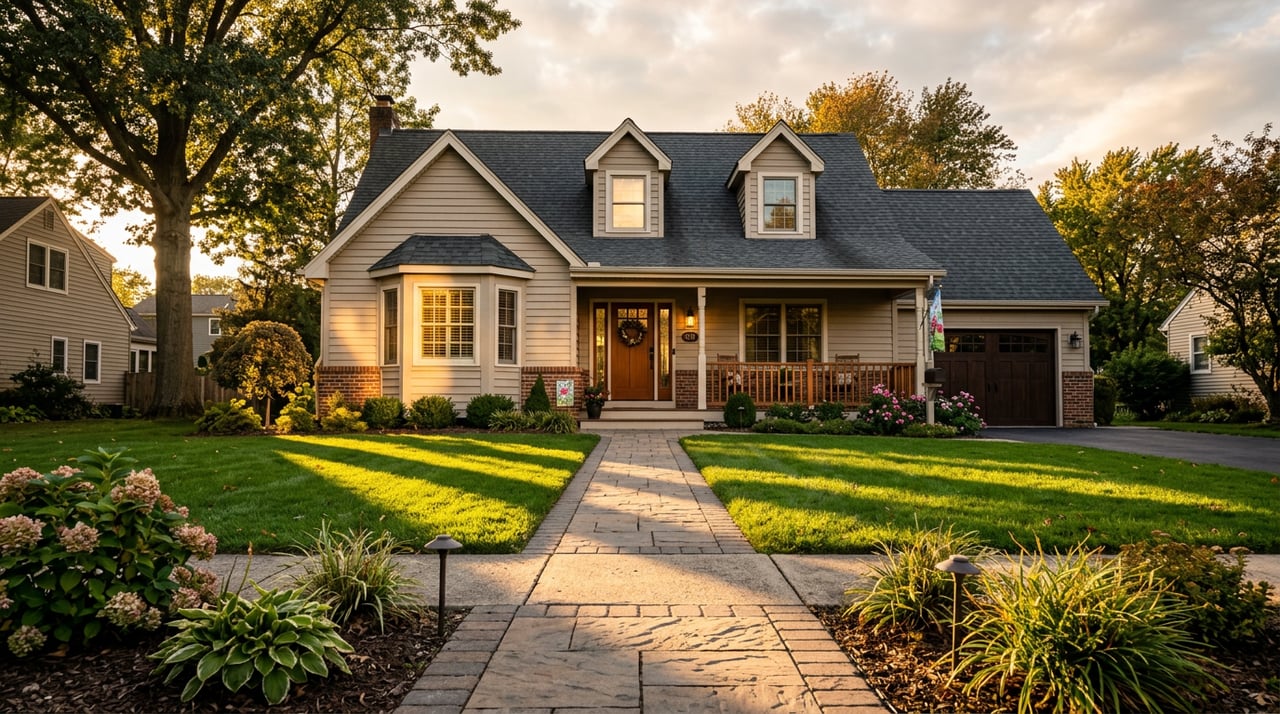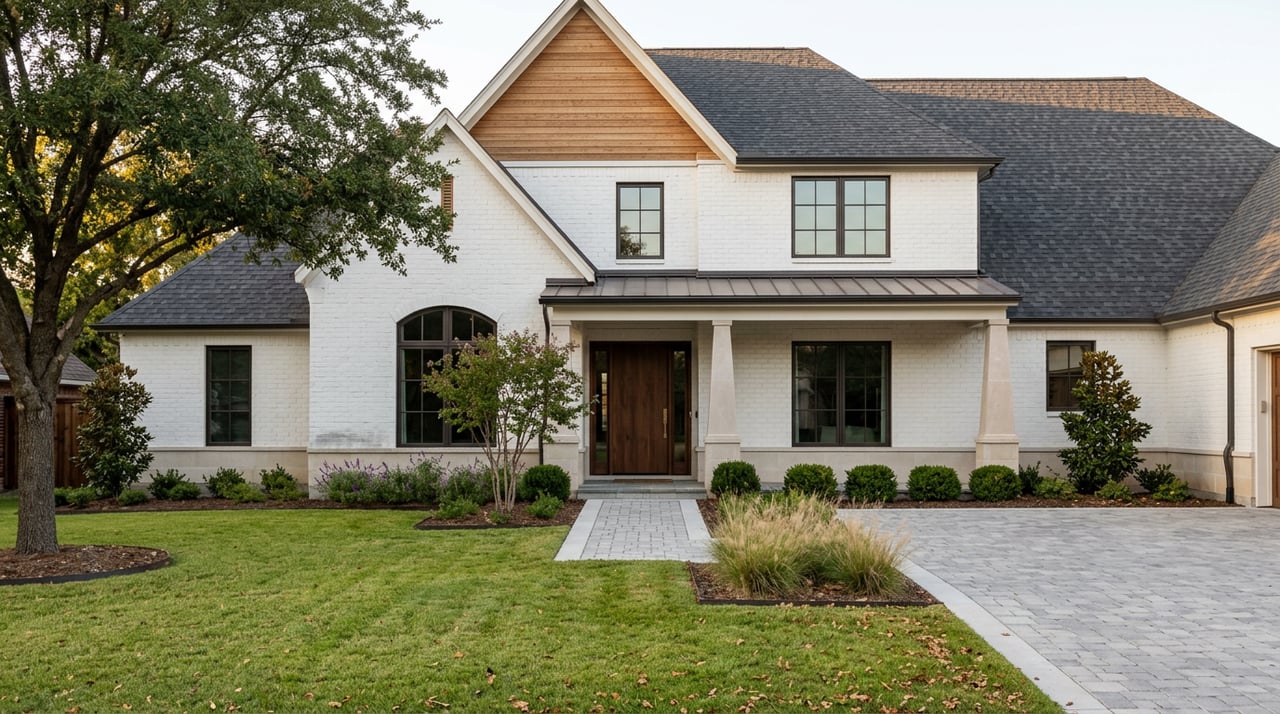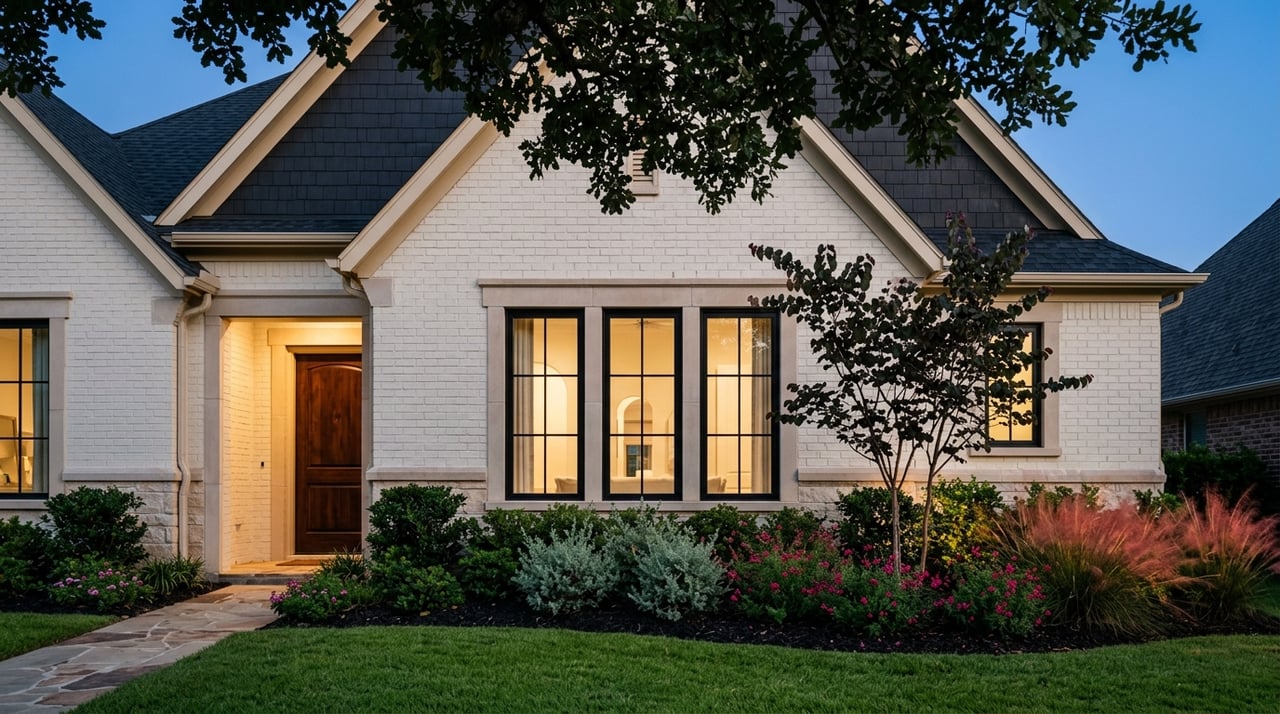
If you want a city that still feels like a community as it grows, Waxahachie gets a lot of attention for good reason. You may be looking for more space, a home with character, or a place that offers a slower pace without feeling disconnected from the Dallas-Fort Worth area. Waxahachie stands out because it blends historic charm, everyday convenience, and a wide range of housing options. Let’s dive in.
Historic charm shapes daily life
One of the biggest reasons people love living in Waxahachie is its strong sense of place. The city’s historic identity is not just a marketing line. It is visible in the streetscapes, preserved buildings, and established neighborhoods that give the area a distinct look and feel.
Waxahachie’s historic-district layer identifies six historic districts: Ellis County Courthouse, North Rogers Street, Oldham Avenue, West End, Wyatt Street Shotgun Houses, and West Marvin Avenue-Patrick Street. The city’s parks master plan describes the courthouse district as one of the best-preserved historic sites in Texas. That kind of preservation helps give the downtown area lasting character.
You can also see that personality in the homes. Waxahachie is known as Gingerbread City because many historic homes feature decorative wood trim. Local event materials also note the city’s strong concentration of Victorian homes, with details like scrollwork, spindles, and lattice that make these properties stand out.
Older neighborhoods feel different
In many cities, older areas and newer development can blur together. In Waxahachie, the older core has a more distinct identity. Historic survey material describes house forms that include L-plan and T-plan dwellings, Queen Anne homes, bungalows, Prairie-style houses, and shotgun-plan types.
That architectural variety matters when you start looking at homes in person. You may find smaller or more irregular lots in some historic areas, tree-shaded streets, and a stronger sense of individual design from one house to the next. For buyers who want something with personality, that is a real draw.
Housing options fit different lifestyles
Another reason Waxahachie appeals to so many people is variety. Not everyone wants the same kind of home, and this city offers several paths depending on your goals, budget, and preferred setting.
The city’s future land use and zoning maps show a broad residential mix. Categories include Downtown, Residential Neighborhood, Rural Estate, Mixed Use Neighborhood, and Urban Village, along with zoning districts for single-family, rural residential, multifamily, and planned development. In practical terms, that points to a market with historic in-town homes, newer subdivisions, some denser infill, and larger-lot options near the edges of town.
This range gives you flexibility. You might prefer a classic home closer to downtown, a more standardized home in a newer neighborhood, or a property with more land and breathing room. Waxahachie gives buyers a chance to compare different living styles within the same city.
Growth is bringing more opportunity
Waxahachie is not standing still. Census estimates show the population grew from 41,140 in 2020 to 50,090 in the July 1, 2025 estimate. That level of growth helps explain why more buyers are paying attention to the area.
At the same time, the city still has a strong owner-occupied housing base. In the 2020-2024 ACS period, the owner-occupied housing rate was 60.3%. That can appeal to buyers who want a place where many residents are putting down roots.
What the numbers say
Current Census estimates also offer helpful context for buyers and sellers watching the market. During the 2020-2024 ACS period, the median value of owner-occupied homes was $336,500, median monthly owner costs with a mortgage were $2,260, median gross rent was $1,618, and median household income was $85,723.
Those numbers do not tell the whole story of any one neighborhood or property type. Still, they help show that Waxahachie is a growing market with a mix of ownership and rental opportunities. For buyers, sellers, and practical investors, that combination can make the city especially interesting.
Downtown events create connection
People often say they want a town that feels welcoming and active. In Waxahachie, downtown helps make that possible. The city has a calendar of established events and public spaces that encourage people to gather, shop, and spend time close to home.
The Crossroads of Texas GO TEXAN Country Festival is described by the local convention and visitors bureau as a more-than-25-year tradition and the largest one-day festival in Texas, with more than 200 booths around the historic courthouse square. Hachie Gras started as a small Mardi Gras parade in 2003 and has grown into a citywide downtown celebration. Events like these help reinforce Waxahachie’s identity beyond just being another fast-growing suburb.
Public spaces support everyday living
Community feel is not only about big annual events. It also comes from places you can enjoy on a regular basis. Waxahachie has public gathering spots that make day-to-day life feel more connected and local.
Railyard Park, just south of historic downtown, is promoted as a place for live music, year-round events, a splash pad, trail access, and family fun. The Waxahachie Farmers Market connects directly to the Waxahachie Creek Hike & Bike Trail and sits near the Wags-A-Hachie Dog Park, less than a mile from historic downtown. Together, those features help support a compact, community-oriented feel.
Commuting stays practical
For many buyers, charm alone is not enough. You also need a place that works with your daily routine. Waxahachie appeals to people who want more space or a different pace while still staying connected to the broader DFW market.
The city’s roadway and thoroughfare planning show direct access to I-35E, US 77, and US 287. That highway network helps explain why Waxahachie works for people whose jobs, family ties, or regular activities extend beyond Ellis County. It is a practical choice for those who want room to spread out without feeling cut off.
Census data put the mean travel time to work at 25.9 minutes. Actual drive times will vary based on your destination and traffic, but the data support the idea that driving is part of the lifestyle here. For many residents, that tradeoff is worth it because of the housing choices, downtown character, and overall feel of the city.
Waxahachie offers more than growth
A lot of places around DFW are growing. What makes Waxahachie different is that growth is only part of the story. The city also has preserved architecture, a recognizable historic core, public spaces that bring people together, and neighborhoods that offer very different living experiences.
If you are thinking about a move, that mix can be hard to find. You get a city with visual character, practical access, and a housing landscape that includes both older homes and newer development. That balance is a big reason so many people love living in Waxahachie.
When you are ready to explore Waxahachie homes, compare neighborhoods, or talk through what fits your goals, The Escalante Group can help you move forward with clear local guidance.
FAQs
Why do homebuyers like living in Waxahachie, TX?
- Buyers are often drawn to Waxahachie for its historic downtown, architectural character, variety of housing options, community events, and practical highway access to the broader DFW area.
What types of homes can you find in Waxahachie, TX?
- Waxahachie includes historic in-town homes, newer single-family neighborhoods, some mixed-use or denser residential areas, and larger-lot or rural-residential options near the edges of town.
Does Waxahachie, TX have a historic downtown?
- Yes. Waxahachie’s historic identity is a major part of its appeal, and the city has six historic districts, including the Ellis County Courthouse district, which the city’s parks master plan describes as one of the best-preserved historic sites in Texas.
Is Waxahachie, TX a growing city?
- Yes. Census estimates show the population increased from 41,140 in 2020 to 50,090 in the July 1, 2025 estimate, reflecting strong recent growth.
Is commuting from Waxahachie, TX practical?
- For many residents, yes. Waxahachie has direct access to I-35E, US 77, and US 287, and Census data show a mean travel time to work of 25.9 minutes, though actual drive times vary by route and traffic.